
Recognising and Overcoming Gambling Addiction in 2026: How UK Players Are Coping with the Rise of Crypto Casinos and Where to Find Support Through Life Coaching
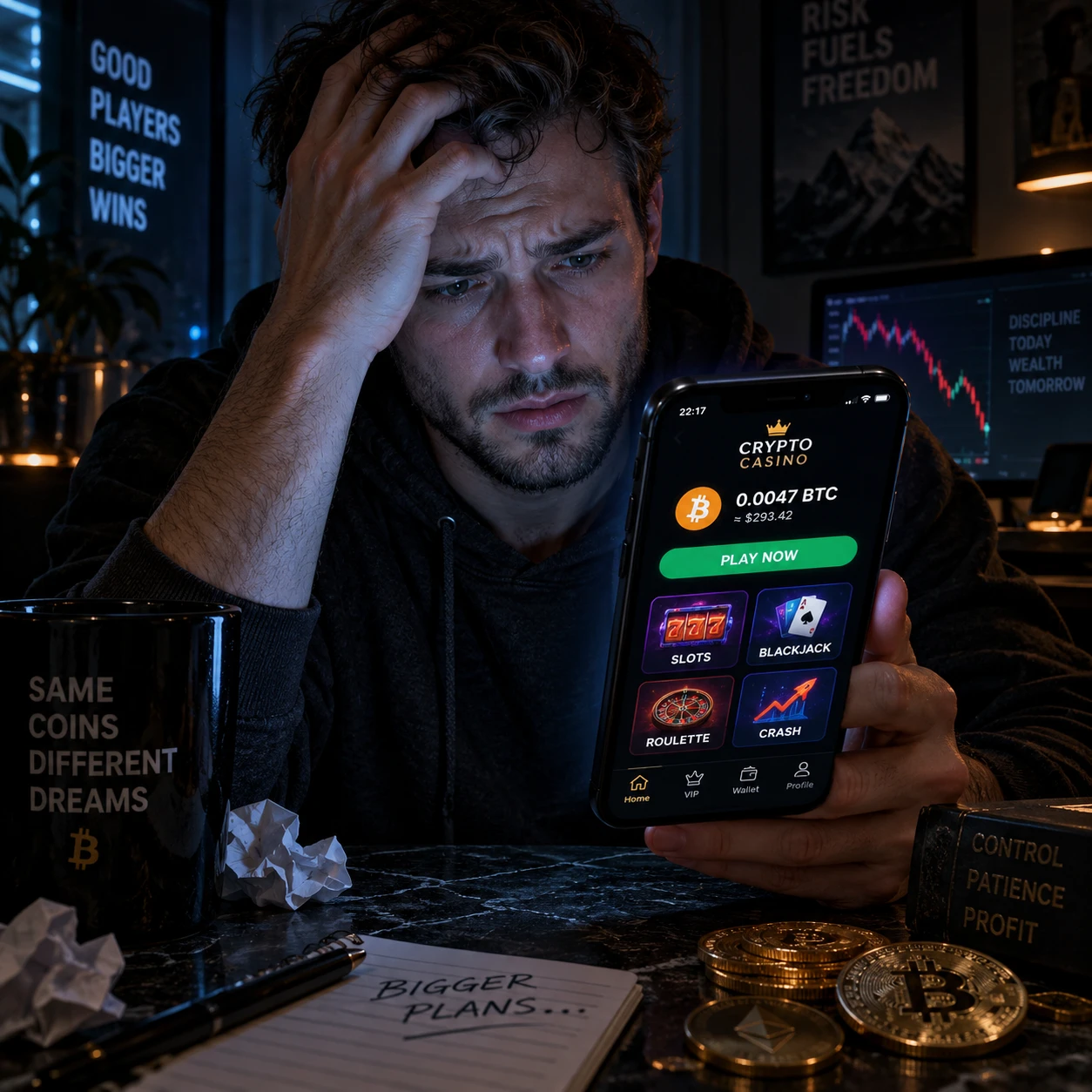
I've spent a lot of this year talking to people across the UK who found themselves pulled into gambling habits they never saw coming. What strikes me most isn't that gambling addiction exists — it's always existed — but how different it looks now, compared to even five years back. Crypto casinos have quietly rewired the whole risk landscape, and 2026 feels like a genuine tipping point. These platforms move fast. They sit outside traditional oversight, and they make it alarmingly easy to lose track of both money and time, sometimes before you even clock what's happening. So this is my attempt to help you spot the warning signs, understand why digital currency gambling carries its own particular dangers, and point you toward support — including life coaching — that can actually help you, or someone you love, get back in control.
Understanding Gambling Addiction in the Digital Age
Gambling addiction used to conjure images of smoky bingo halls, or betting shops on the high street. That picture's outdated now — hopelessly so, really. Today's addiction often plays out silently on a phone screen at 2am, nobody else around to notice. The psychological mechanics haven't changed much: dopamine-driven reward loops, the illusion of control, chasing that next win. But the delivery system? It's gotten far more aggressive. Apps are built to keep you engaged, notifications pull you straight back in, and frictionless payment methods strip out the natural pauses that used to give people a chance to reconsider.
What makes modern platforms tricky is how normal they feel. Scrolling through a betting app can look no different from checking social media — and that's exactly why the early stages of addiction so often slip past unnoticed, both by the person affected and by everyone around them.
Common Signs and Symptoms
If you're wondering whether gambling has tipped from casual fun into something heavier, here are the red flags I hear about most:
- Secrecy around spending, bank statements, or app usage
- Chasing losses with the belief that 'the next bet will fix it'
- Borrowing money from friends, family, or lenders to keep gambling
- Neglecting work, relationships, or basic responsibilities
- Feeling irritable, anxious, or defensive when the topic comes up
- Lying about how much time or money has gone into gambling
None of these on its own proves addiction. But when a few show up together? Worth paying attention.
The Rise of Crypto Casinos and New Risks for UK Players
Over the past couple of years, crypto casinos have surged among UK players, and I don't think that's a coincidence. These platforms offer anonymity, near-instant deposits and withdrawals, and often run from jurisdictions well outside the reach of the UK Gambling Commission. For someone already struggling with impulse control, that's a dangerous combination — maybe one of the worst. No waiting period. No mandatory affordability check. Often, no self-exclusion tool to lean on once things start spiralling.
What I've noticed, talking to affected players, is that a lot of them don't even realise how much safety net they've lost by moving over to crypto gambling. Traditional licensed UK casinos — whatever their flaws — at least offer deposit limits, cooling-off periods, and GamStop registration. Crypto platforms frequently offer none of it. That gap has left a growing number of people without protections they just assumed were standard, and it's partly why specialised support services, like the ones offered through crypto casinos-focused coaching programmes, have started popping up to help people caught in this new wave of digital gambling.
Why Crypto Casinos Are Harder to Regulate and Monitor
Jurisdictional loopholes are a big part of the problem here. Plenty of crypto casinos are licensed in territories with barely any oversight, which makes enforcement by UK regulators next to impossible. Blockchain transactions add another layer of anonymity on top of that — there's no central bank tracking the flow of funds the way there would be with a debit card. The Gambling Commission simply doesn't have the authority to step in on platforms operating offshore and accepting only digital currency. Which leaves players mostly on their own.

The Emotional and Financial Toll on Players and Families
I've watched gambling addiction ripple outward, far beyond the person placing the bets. Partners carry the stress of hidden debt. Children sense tension they don't understand yet. Friendships strain under the weight of borrowed money that never gets repaid. Mental health tends to deteriorate alongside the financial damage — anxiety, depression, and shame feed each other in a pretty vicious cycle.
Crypto-related losses can be especially brutal, thanks to currency volatility and the irreversible nature of blockchain transactions. Unlike a disputed card payment, there's usually no customer service line to call, no chargeback, no way to claw money back once it's gone. That finality adds a layer of devastation that traditional gambling losses don't always carry.
Taking the First Step Toward Recovery
Acknowledging the problem is genuinely the hardest part, and I say that without judgement — shame keeps people silent longer than it should. Self-assessment tools, honest conversations with someone you trust, simply admitting 'this has gotten bigger than I expected' — these are all valid starting points. Recovery isn't one dramatic fix. It's a gradual process, one that benefits a lot more from consistent, supported effort than from willpower alone.
Setting Boundaries with Online and Crypto Platforms
Practical boundaries make a real difference. Worth considering:
- Register with GamStop and any available self-exclusion schemes
- Install blocking software that restricts access to gambling sites and apps
- Limit or remove access to crypto wallets and exchanges tied to gambling activity
- Set up spending alerts on linked bank accounts
- Ask a trusted person to help monitor financial activity for a while
How Life Coaching Supports Long-Term Recovery
Traditional addiction treatment — therapy, support groups, sometimes medication — stays essential for a lot of people, and I'm not suggesting otherwise. But I've increasingly seen life coaching play a valuable complementary role, especially for rebuilding the parts of life gambling eroded: confidence, routine, a sense of direction. Coaches don't diagnose or treat addiction clinically. What they do is help clients set realistic goals, build healthier daily habits, and put together accountability structures suited to their specific triggers and lifestyle.
What to Expect from a Coaching-Based Support Programme
A solid coaching programme typically includes goal-setting frameworks tailored to the individual, habit tracking to swap out gambling routines for healthier ones, motivational interviewing techniques that help clients work through ambivalence, and regular check-ins that stretch support well past the initial crisis point. It's less about crisis intervention and more about sustained, personalised accountability over weeks and months — the long game, really.
Building a Sustainable, Gambling-Free Future
Long-term recovery means filling the space gambling used to occupy. That might mean picking up a new hobby, reconnecting with friends you'd drifted from, or working with a financial advisor to rebuild savings and credit. Staying vigilant matters too — digital gambling environments keep evolving, and new platforms with fewer safeguards will keep showing up. Recognising your personal triggers, whether that's stress, boredom, or financial pressure, helps you stay a step ahead of relapse instead of just reacting after the fact.
Conclusion
Gambling addiction in 2026 looks different than it did a decade ago, largely because crypto casinos have introduced speed, anonymity, and risk that traditional platforms never had. But the fundamentals of recovery haven't changed: recognising the signs early, setting firm boundaries, and reaching out for support still make a real difference. Whether that support comes through clinical treatment, trusted relationships, or coaching-based programmes, the path forward is achievable. There's no shame in asking for help — only the possibility of getting your life back on your own terms.